Investing in Excellence: Refresher Training in Private HomeCare
June 24, 2025Why Ireland Needs a ‘Respect for the Aged Day’ Public Holiday
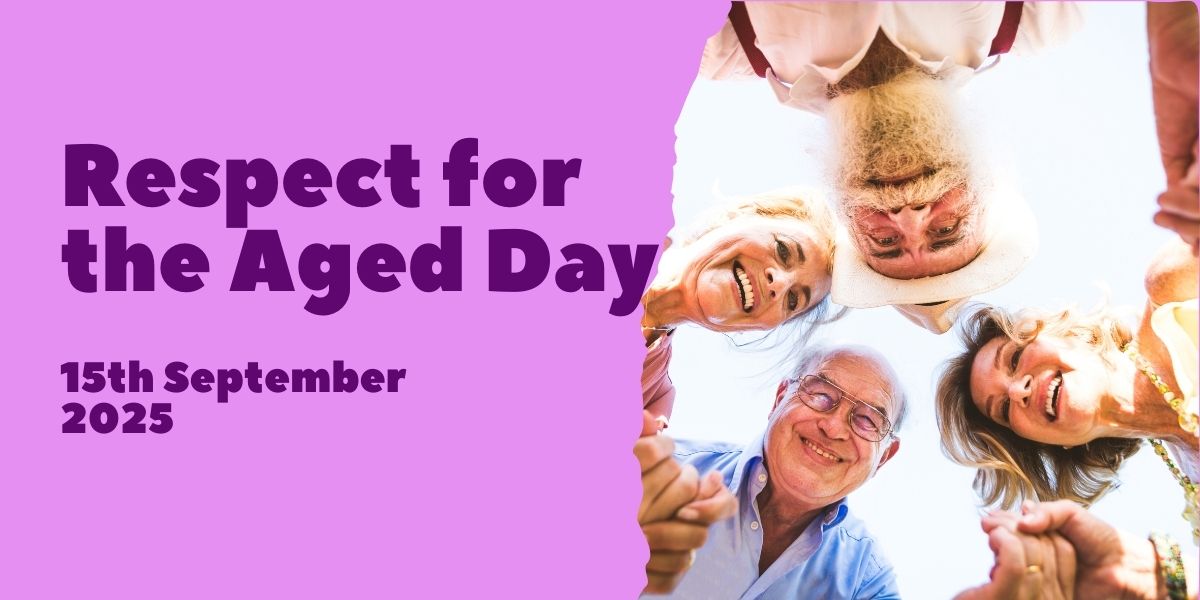
Today Japan is one of only two countries in the world to celebrate Respect for the Aged Day, a national holiday observed each year on the third Monday of September.
This day inspires us to consider how Ireland, with its increasingly ageing population, could benefit from a similar tradition.
- The Significance of Respect for the Aged Day in Japan
- A day of honour and gratitude: Initiated in 1947 and officially designated a national holiday in 1966, this day spotlights the invaluable wisdom of older generations.
- Community and family traditions: Families gather, students craft cards, and communities hold events—from tea parties to performances—all fostering intergenerational gratitude and connection.
- Everyday Ways Japan Supports Older People
Japan’s respect for older generations isn’t just symbolic—it’s built into everyday life through thoughtful measures that make day-to-day living safer, more accessible, and more dignified. Examples include:
- Driver awareness stickers – Drivers aged 75 and over display a “Koreisha mark” (elderly driver symbol) on their cars. This alerts other road users to be patient and considerate.
- Priority seating and queues – Public transport and many public venues have clearly marked seating areas for older adults, often placed near entrances for ease of access.
- Barrier-free design – Train stations, shopping centres, and streets are increasingly designed with lifts, ramps, tactile paving, and clear signage to accommodate mobility needs.
- Community patrols and check-ins – In some neighbourhoods, volunteers and local officials regularly check on older residents, particularly those living alone, to ensure safety and social contact.
- Special shopping hours – Some supermarkets offer dedicated times for older shoppers to avoid crowds and receive extra assistance.
- Intergenerational housing programmes – Initiatives connect university students with older adults in shared living arrangements, fostering companionship and mutual support.
These small but meaningful policies work alongside national cultural values to ensure older adults remain safe, connected, and respected.
- Why Ireland Could Benefit from Its Own Holiday for Elders
- Shifting demographics: Ireland, much like Japan, faces an ageing population, with growing demands on healthcare, social supports, and community engagement.
- Cultural alignment: Irish heritage is rich in family and community bonds—values already aligned with honouring elders.
- Beyond one day: A public holiday could spark lasting change—raising awareness, promoting intergenerational unity, and encouraging government, businesses, and communities to prioritise elder well-being.
- Where Ireland Stands Today
- Existing initiatives: Efforts like Age-Friendly Ireland and the Irish Longitudinal Study on Ageing (TILDA) showcase our national commitment to older adult support.
- Room to grow: A dedicated “Respect for the Aged Day” would amplify these efforts—bringing national visibility and a moment to unite across generations with purpose.
- How Private HomeCare Lives This Ethos Every Day
- A philosophy of respect: Since 1989, our mission—”We care for others as we would like to be cared for ourselves”—has guided us in putting the dignity of older adults first.
- Inclusive leadership: Our parent company, CPL, champions diversity and inclusion across age and all identities.
- Honouring memory and longevity: Each All Souls’ Day, we plant an oak sapling in remembrance—a symbol of resilience, wisdom, and the depth of life experience.
- Daily actions that matter:
- Empowering independence and dignity.
- Encouraging social interaction to combat loneliness.
- Listening to and learning from elder stories.
- Equipping families with resources to navigate care and ageing.
- What a Public Holiday Could Achieve
- National recognition: Similar to Japan, a public holiday would be a profound gesture of national gratitude to older generations.
- Intergenerational bonding: Families, schools, and organisations could adopt traditions—from crafting cards to hosting gatherings—that reinforce cross-age respect.
- Policy momentum: A holiday could help drive public discourse and policy innovation around elder care, social inclusion, and accessible infrastructure.
- Corporate and community engagement: Public and private sectors alike could build yearly initiatives: volunteering programs, spotlight stories, or dedicated elder-wellbeing campaigns.
Respect for the Aged Day in Japan serves as a powerful example—one we can adapt for our own evolving Ireland. Imagine the impact if we also had a national day dedicated to honouring our older generations.