
September 15, 2025

Today Japan is one of only two countries in the world to celebrate Respect for the Aged Day, a national holiday observed each year on the […]
August 13, 2025
Stay Safe from Recruitment Scams At Private HomeCare your security is our priority. Recently, there has been a significant rise in recruitment scams targeting job seekers […]
June 24, 2025

At Private HomeCare, we don’t spend money on advertising, sponsorship or branded vehicles. Instead, we invest where it matters most—in our carers. Our commitment to training […]
June 24, 2025

At the heart of quality home care lies one essential ingredient: competence. Ensuring that every carer can deliver safe, respectful, and skilled support to clients in […]
June 17, 2025
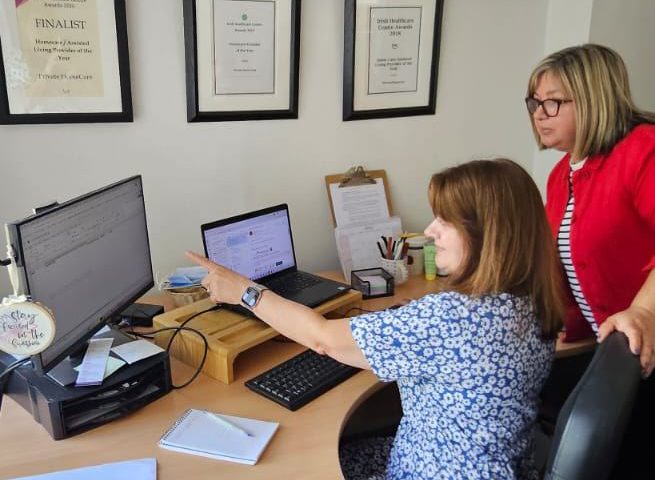
At Private HomeCare, excellence isn’t an aspiration—it’s a standard we meet every day. As the first home care provider in Ireland to achieve the international ISO/Amtivo […]
April 14, 2025

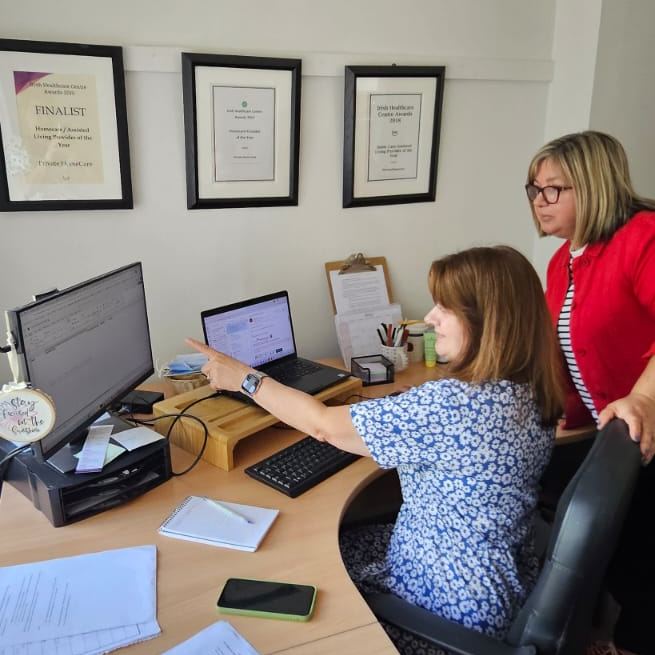
As Ireland’s longest-established private home care provider, Private HomeCare is proud to be recognised and trusted by both national authorities and the wider healthcare community. The […]
March 19, 2025
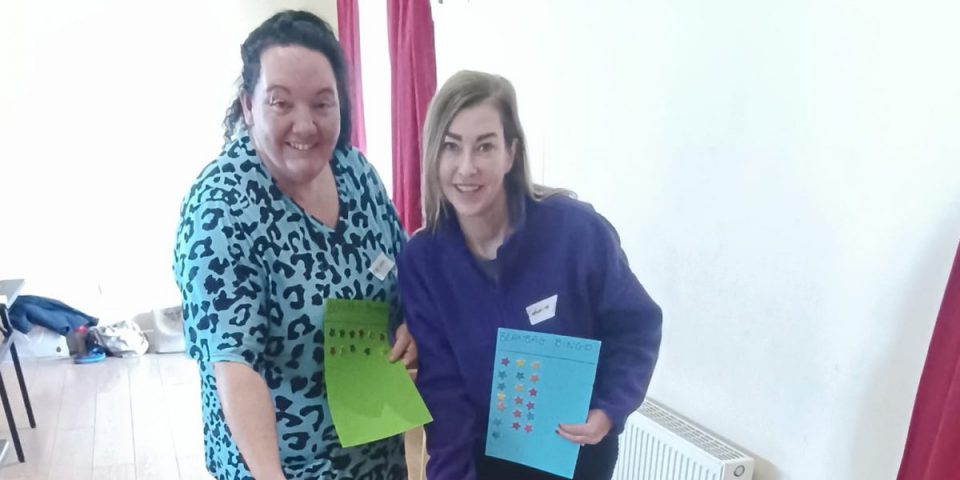
Miriam Kavanagh has always been drawn to caring for others. A full-time mother for many years, she didn’t initially think she could work as a carer […]
January 4, 2025
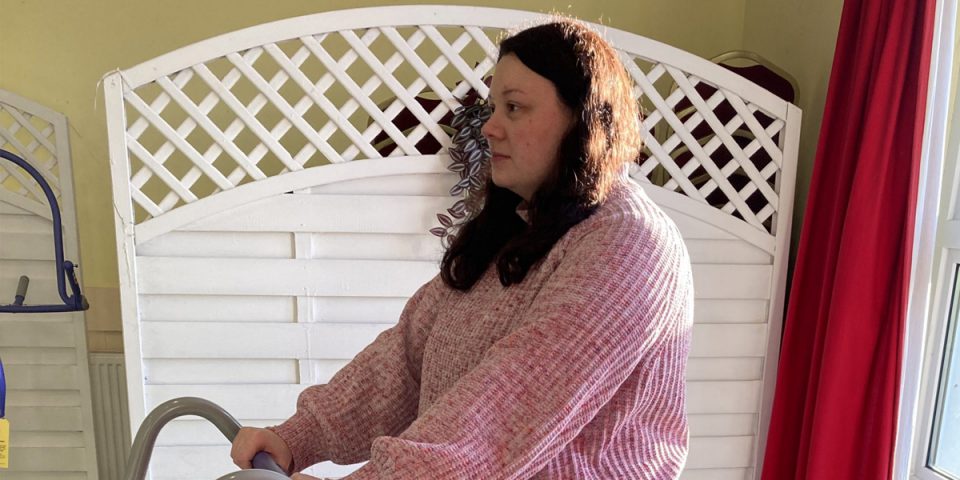
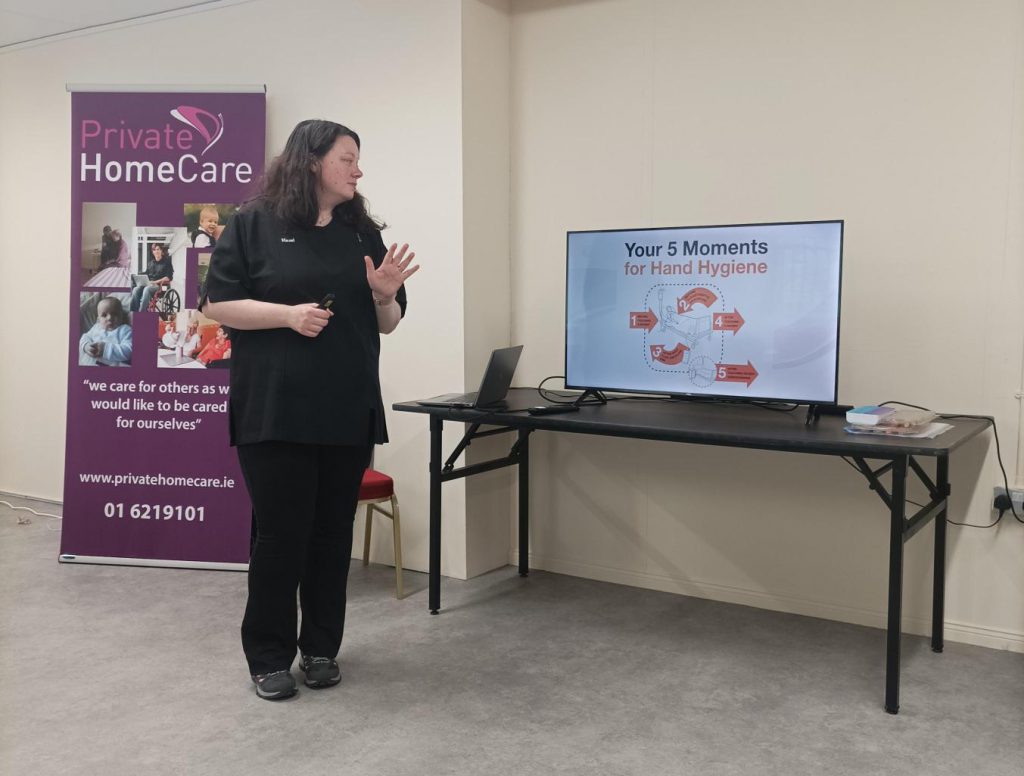
Enhancing Care Through Practical Training At Private HomeCare, we combine nearly four decades of experience with the QQI curriculum to provide high-quality, hands-on training for our […]
December 27, 2024
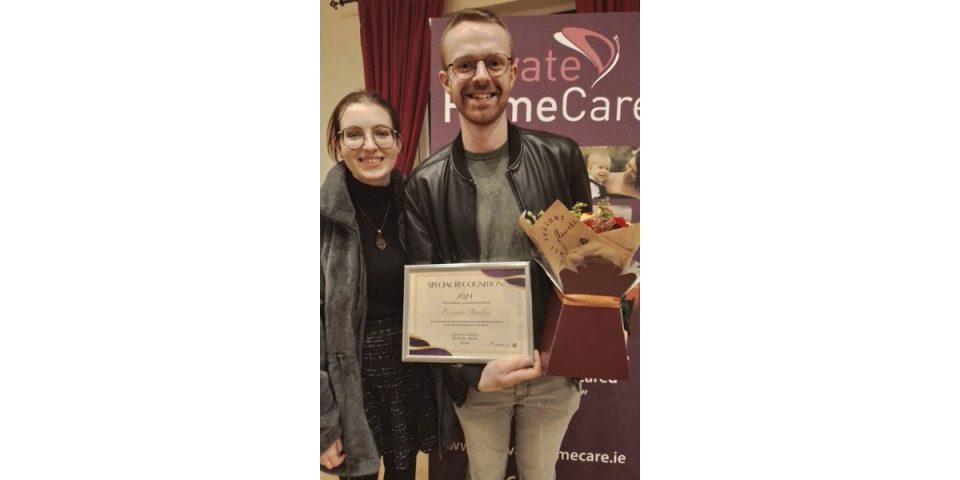


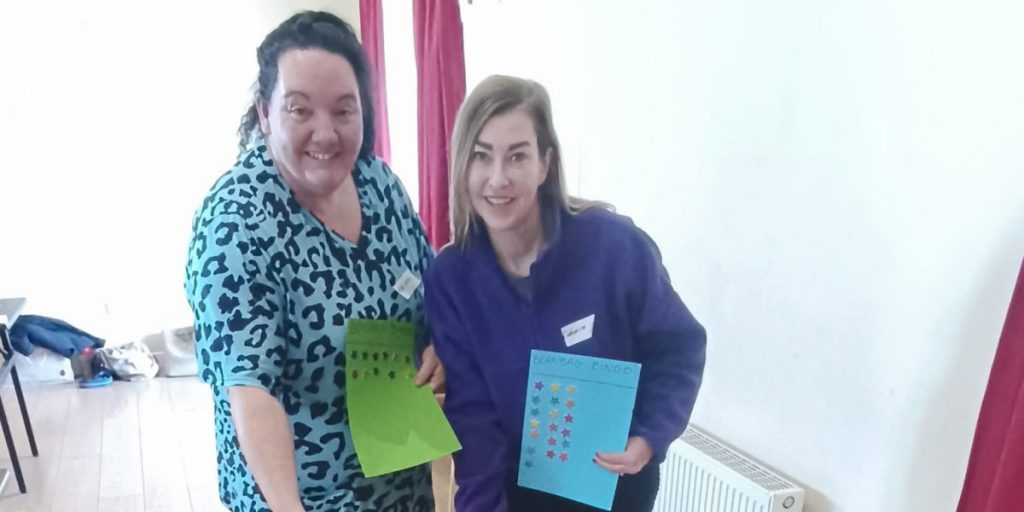
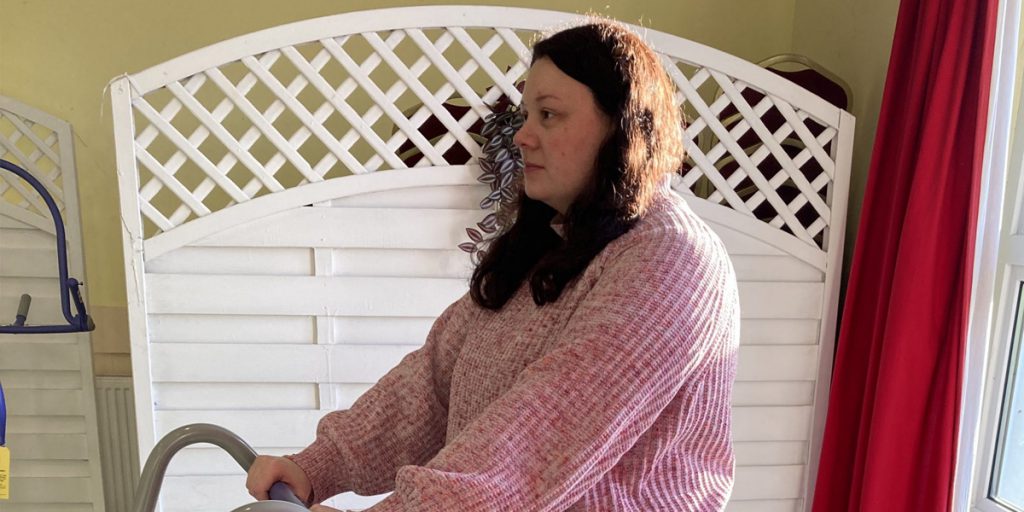

In addition to our annual award for Carer of the Year, we also honour a carer who we deem worthy of a Special Recognition Award each […]